23 Sep 2024
BLOG: How the Woodland Carbon Code is supporting our net zero ambitions
Scottish Climate Week Special
To mark Scottish Climate Week, Dr Vicky West provides insights into the contribution the UK Woodland Carbon Code makes towards Scotland’s net zero ambitions.

Trees, carbon and climate change
Woodland creation is one of our most powerful tools in the fight against climate change. This is because trees absorb carbon dioxide from the atmosphere as they grow.
A new native woodland can absorb 300 to 400 tonnes of carbon dioxide equivalent per hectare by the time it’s 50 years old and 400 to 500 tonnes by the time it’s 100 years old.
Currently, our forests and woodlands soak up around 7.5 million tonnes of carbon dioxide each year, about 14% of Scotland’s gross emissions. That’s a pretty spectacular amount!
National plans recognise that woodland creation is vital to delivering many of Scotland’s environmental commitments, including our target to reach net zero by 2045.
The Woodland Carbon Code
The Woodland Carbon Code is the quality assurance standard for woodland carbon projects in the UK. It sets out requirements for voluntary woodland creation projects which tackle climate change by removing carbon dioxide from the atmosphere.
Woodland carbon projects offer a revenue stream for landowners and farmers and a way for companies to support woodland creation and compensate for their unavoidable emissions.
Projects generate high integrity, independently verified carbon units and can provide a range of other environmental, social and economic benefits including:
- Biodiversity and habitat creation
- Improvements in air quality
- Improvements in water quality and flood reduction
- Improvements in health and wellbeing
- Employment and educational opportunities
- Opportunities for community engagement and volunteering
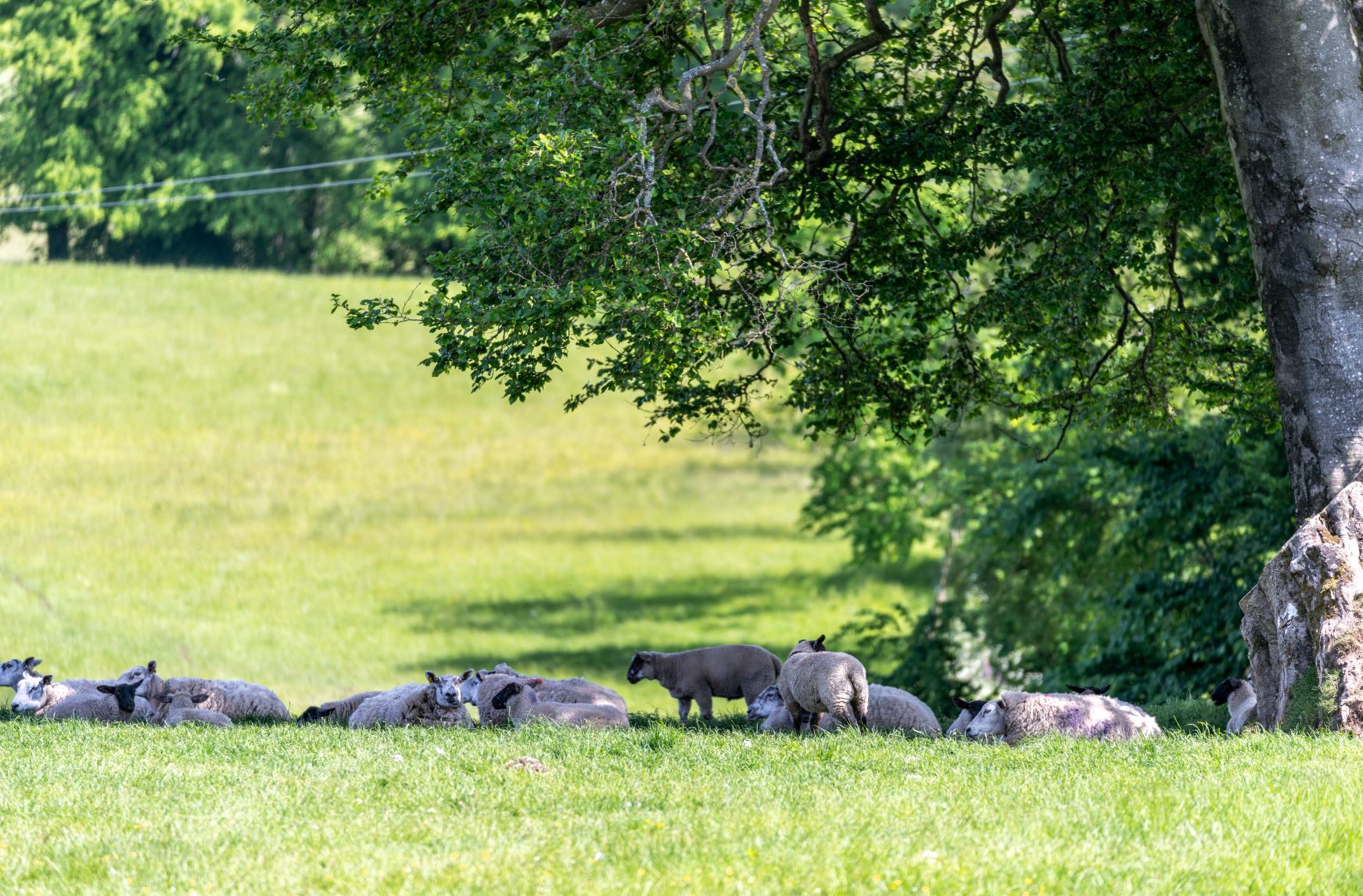
- Shelter for livestock
- Production of sustainable, low carbon building materials
The code is managed by Scottish Forestry on behalf of the Forestry Commission, Welsh Government, Scottish Government and the Northern Ireland Forest Service.
Informed by science, it is backed by government, the forest industry and carbon market experts and is endorsed by the International Carbon Reduction and Offset Alliance.
How it works for landowners and farmers
To be eligible for the code, woodland creation projects must:
- Register with the code before any work begins on site
- Demonstrate that the project is not viable without carbon income
- Take place on a suitable site, which was not wooded in the past 25 years and is not deep peat (organic) soil
- Be sustainably and responsibly managed, meeting the requirements of the UK Forestry Standard
- Be validated within three years of registration and maintain verification for the duration of the project
Projects validated and verified to the standard can carry the Woodland Carbon Code label of approval. Landowners can sell or keep the carbon units which are created as the trees grow and mature.
Any woodland type can be eligible, including broadleaf woodlands and timber producing conifer, provided carbon finance is needed to make the project viable.
How it works for carbon buyers
Large organisations are required to report their carbon emissions in line with UK Government guidelines and all organisations are encouraged to voluntarily reduce their emissions to help the UK become net zero by 2050.
Once organisations have taken action to reduce their emissions in line with science-based targets, they can compensate for unavoidable, UK-based emissions by buying units from Woodland Carbon Code projects.
Success so far
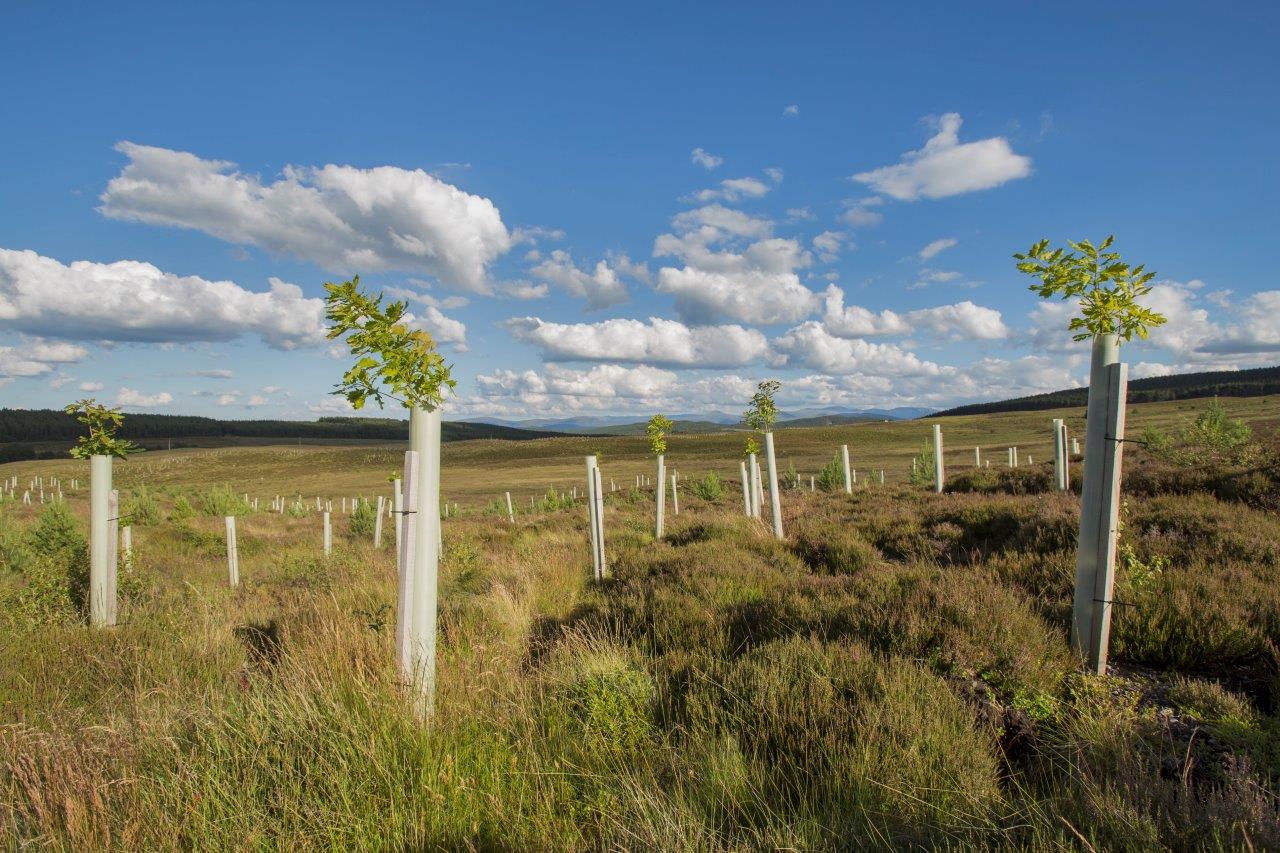
Over 8,700 hectares of new woodland was validated to the Woodland Carbon Code in Scotland in 2023-24. This is an area equivalent to almost 60% of all woodlands planted across the country during that period.
Since the code was launched in 2011, it has helped to create over 30,000 hectares of new woodland in Scotland. These validated projects are predicted to sequester over 9.8 million tonnes of carbon dioxide equivalent over their lifetime.
By bringing landowners, companies and communities together to support woodland creation, the code makes a vital contribution to the environment and to our national greenhouse gas targets.
More information
To find out more information about the code and how you can get involved, visit the Woodland Carbon Code website.
You can also sign up to the Woodland Carbon Code newsletter.
Dr Vicky West
Dr Vicky West is the Senior Development Manager for the Woodland Carbon Code. With a background in climate science and forestry policy development, she played a vital role in the development of the code and has been overseeing its management since it was launched in 2011.